
Improv For The Real World
Listen better. Respond in the moment. Build on what others bring.
Improv isn't just for actors—and it isn't about trying to be funny.Improv for the Real World uses simple principles from improvisational theatre to help people listen more closely, communicate more effectively, adapt in the moment, and build on the ideas of others.Through stories, demonstrations, exercises...
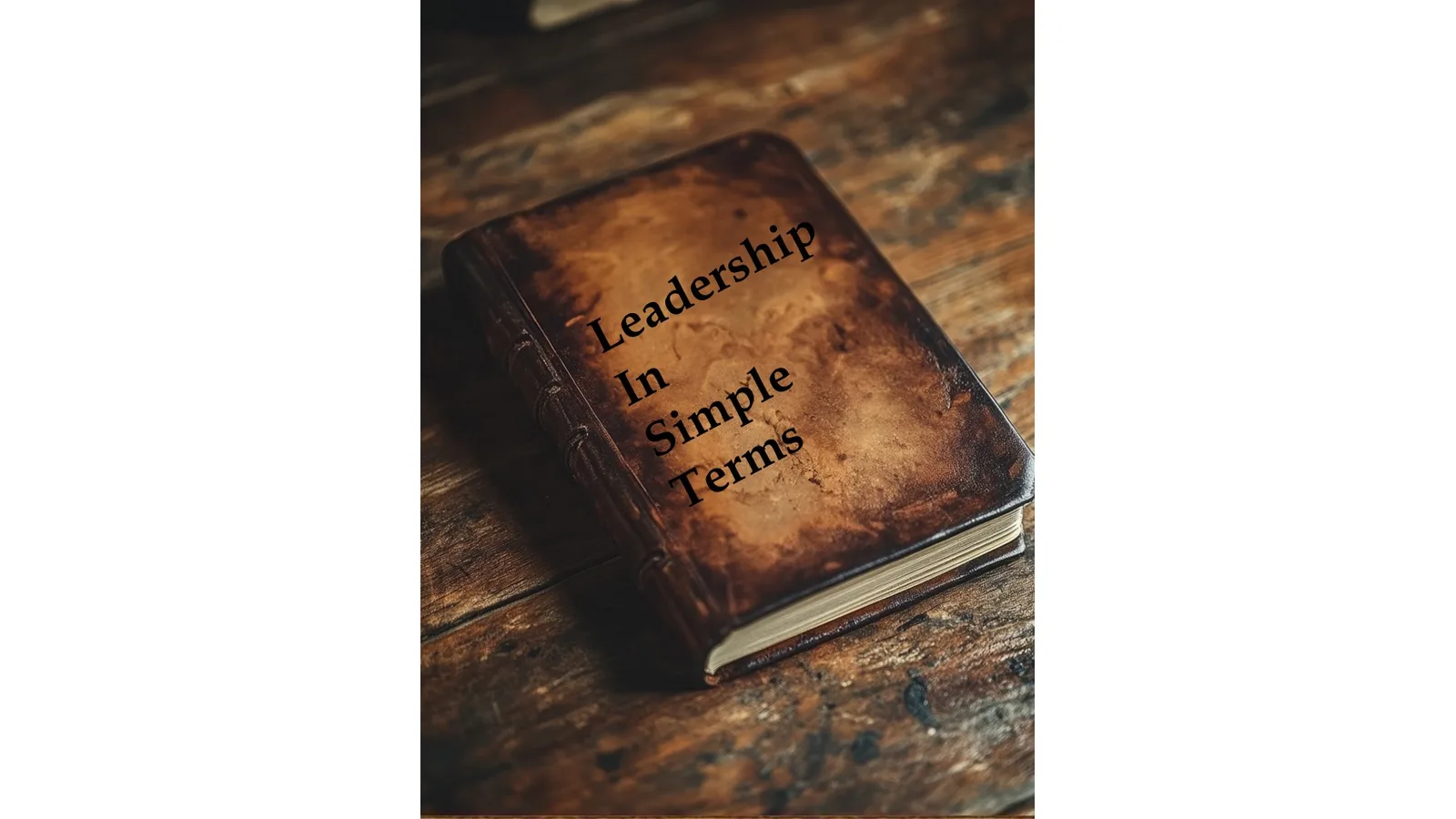
Leadership In Simple Terms
Common-sense leadership for an overcomplicated world.
Leadership doesn't have to be complicated.Leadership In Simple Terms (LIST) takes a practical, common-sense look at what it means to lead people well. Drawing on timeless wisdom, real-world experience, stories, humor, and audience participation, Dan explores simple ideas about leadership that are easy to understand—and...

Kind Conversation Skills
A team workshop for real connection at work and beyond
MAKE CONVERSATION EASIER FOR YOUR TEAMWe all know that moment when we want to connect more deeply with someone but find ourselves stuck on small talk. This costs us relationships at work and outside it. It takes specific skills to have real conversations. Madeleine teaches...
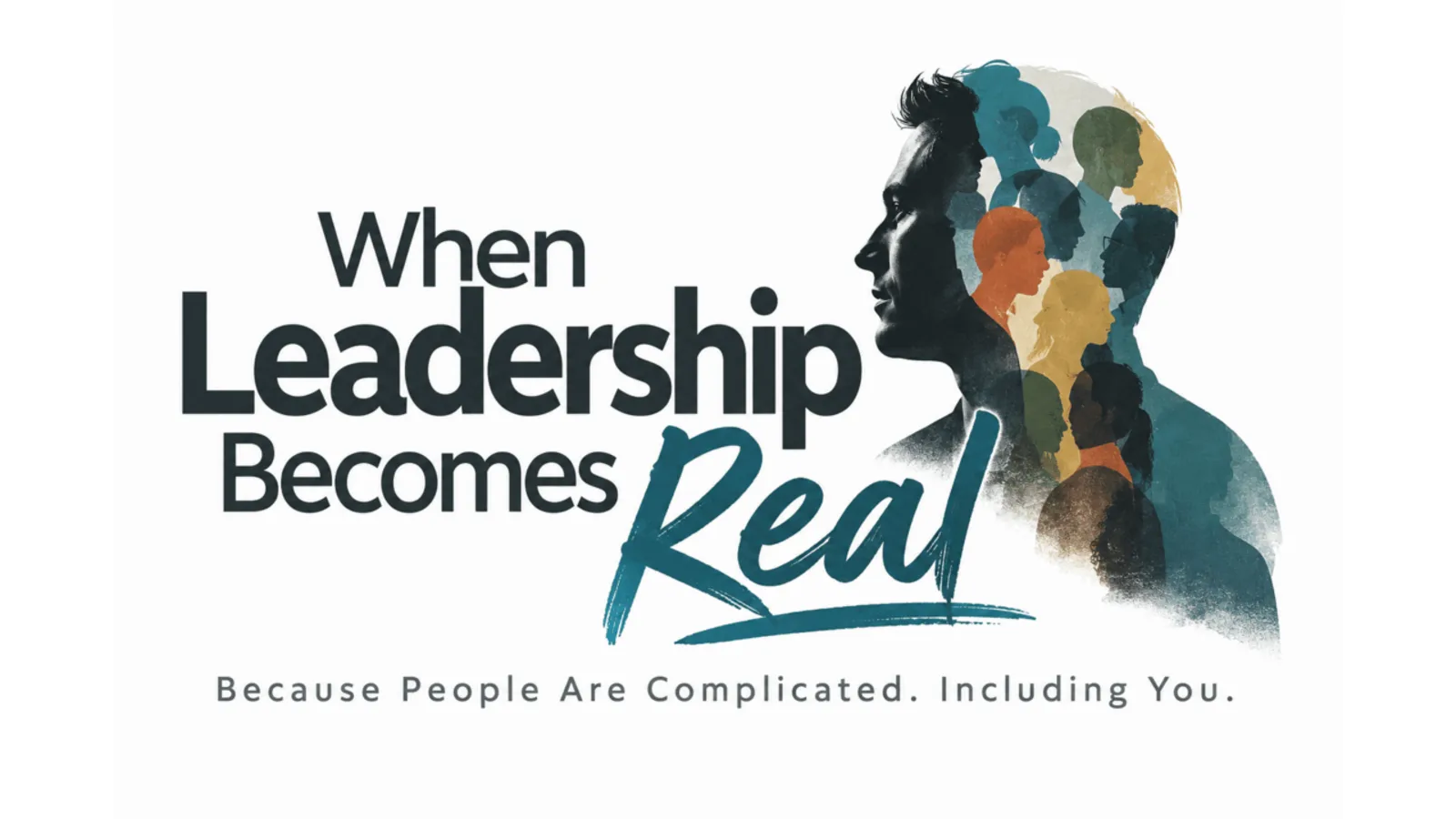
When Leadership Becomes Real
Because People Are Complicated. Including You.
Leadership looks pretty easy in the manual.Set the vision. Communicate clearly. Hold people accountable. Follow the process. Check the boxes.Then actual people show up.People bring emotions, assumptions, different definitions, old experiences, competing priorities, and their own unique ways of making things...
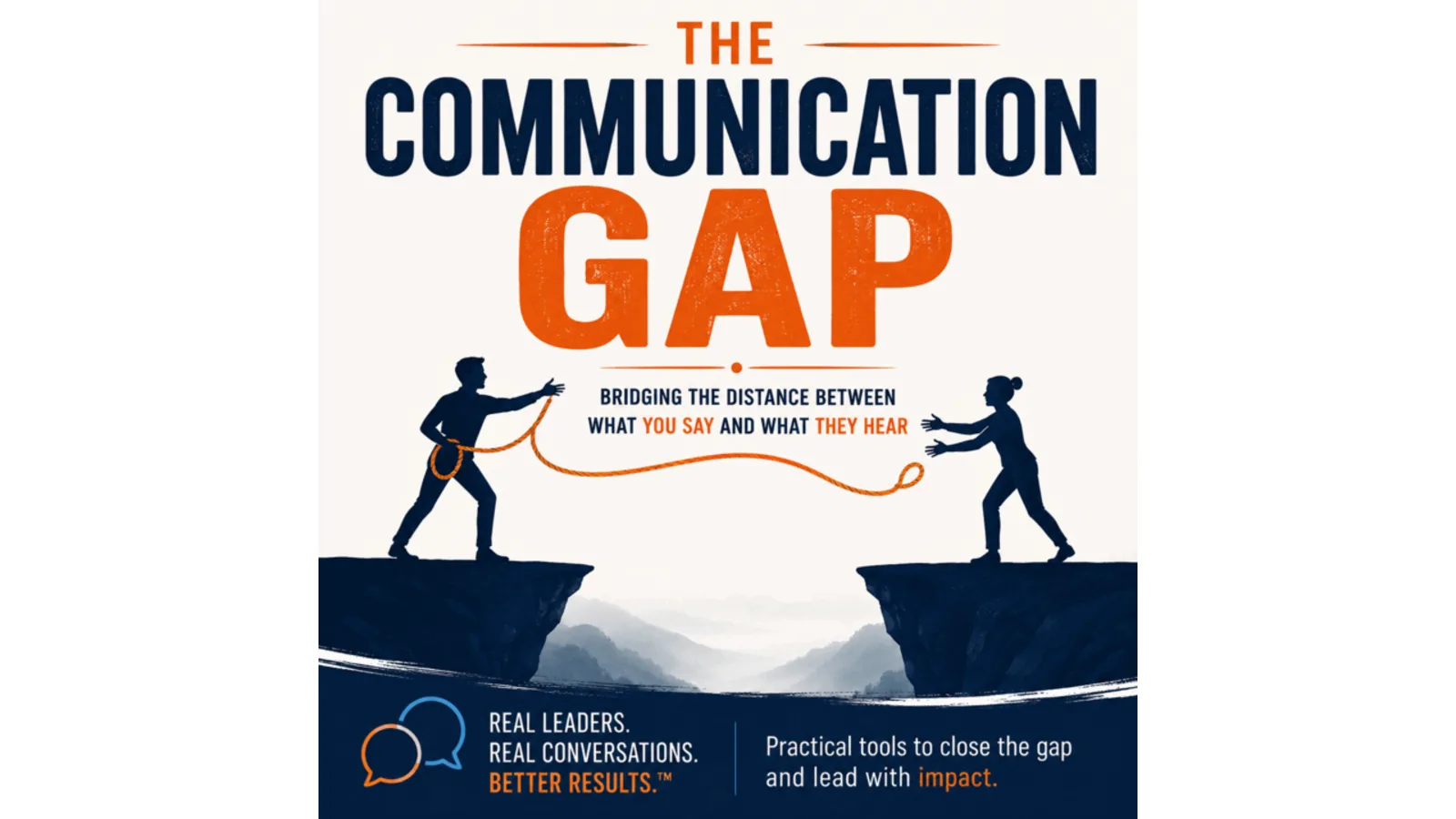
The Communication Gap
When What You Say Isn't What They Hear
You said exactly what you meant. They heard something completely different.Now what?Most communication training focuses on choosing better words. But words do not travel directly from one person’s brain to another. They pass through emotions, assumptions, past experiences, personal definitions, and whatever else...
